Skip to content

indie-pop

5 items

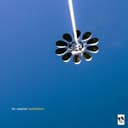
Autofiction

Autofiction

Far Caspian·Dance to the Radio

A year to the day since this went up on Bandcamp. I’d like to claim the timing is deliberate.

Joel Johnston is a producer first, and Autofiction sounds like it. He plays everything here, alone in his Leeds studio, and the surfaces are immaculate: lush, faintly downbeat dream pop on a dry, clean guitar tone he’s spent years dialling in. ‘Ditch’ was the last thing added, after he rediscovered The Glow Pt. 2 and wanted noise at the front. The right call: it hands him a tape motif that runs to the last track.

The influences aren’t hidden. Alex G is the obvious reference point, but I kept hearing Wild Nothing too, particularly Gemini, which never got the credit it deserved. ‘First Day’ is the clearest case.

Johnston was diagnosed with Crohn’s disease in 2021, and most writing about the record starts there, this included. Reading last summer’s reviews, the line everyone quotes from ‘Lough’ comes from elsewhere: he’s had emetophobia since childhood, a fear of being sick that hardened into OCD, and he wrote “your mind changed from a fear to a song” partway through a treatment course he hadn’t finished. Hope recorded before the outcome was known.

So: safe songs, comforting. Johnston knows what works and doesn’t push far past it, not a complaint exactly, more an observation about where the ceiling sits. The lyrics are diaristic this time; he used to reach for metaphor. The vocals sit higher in the mix than on The Last Remaining Light. I’d take more of that, and some real experimentation alongside.

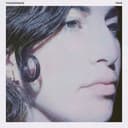
Julia

Julia

Julia Cumming·Partisan Records

Various labels passed on Julia, which is strange, because it’s so easy to like. Julia Cumming shelved it, shopped it, got told to tease it and make it a hit first, then sign. Partisan eventually let her make the thing she’d already made.

That thing is a solo debut rooted in sixties and seventies pop, and unembarrassed about it. Carole King, Burt Bacharach, the odd drift toward yacht rock. Cumming calls these her “dorkiest” influences, and the record leans in rather than winking. In Sunflower Bean her voice is one instrument among several; here it’s the main event, and the Brill Building and Laurel Canyon songcraft is in service to it.

The opener, “My Life,” is the highlight: a song entirely about what she does and who she does it for. “I don’t do this to impress you” sounds like both a shrug and a slammed door.

The appeal cuts across ages. I’m old enough to come for the songcraft; younger listeners get the DIY scenester reinventing herself, or the unfiltered confessional oversharing. Something for everyone, which is presumably the problem the labels couldn’t solve. For me that’s no problem at all; it’s a reason to listen to it again.

True

True

Tenderness·2026·Amorphous Sounds

Katy Beth Young has spent years lending her voice to other people’s records and records (she sings in Peggy Sue and Deep Throat Choir, members of both turn up here). True is the first one that’s entirely hers. According to the Bandcamp notes, it arrives several years after the initial demos were cut, but it’s worth the wait.

It opens with “Saturday Morning”: “Are you busy Saturday morning? / I’ve got thousands of things to tell you / Like how I’ve started making plans to replace you / With one perfect song that goes on and on.” That’s the record in miniature.

Calling it a country album would oversell the twang. Harry Bohay’s pedal steel runs through almost every track, but the reference points are as much Big Thief as Patsy Cline, and the spare, introspective arrangements leave plenty of room around Young’s voice. The lyrics belong to now: dating mediated by screens and algorithms (“Touchscreen”, “Database Blues”), and, underneath, the kind of grief no app can route around. “Playing ‘Country Roads’” is written for her late father. However the subject matter resonates with you, this is a very strong set of songs.

love songs and spiritual recollections

love songs and spiritual recollections

big long sun·2026·[no label]

Big Long Sun started as Jamie Broughton on his own and is now an eight-piece, though you wouldn’t always guess it from the recordings. Broughton still tracks most of it himself in a Brighton bedroom on a Tascam 244, and the other seven turn up to add detail rather than thicken the mix. love songs and spiritual recollections is their third album in eighteen months, which would normally be cause for suspicion, but the songs don’t sound rushed.

It’s psych-pop with folk-pop instrumentation, and the eight members are used sparingly. ‘heavy (on your mind)’ is a good example: nothing it does is individually complicated, but the song slowly piles up until it sounds full without ever sounding crowded. That restraint runs through most of the record.

The warmth of the playing keeps pulling against the lyrics, which are not warm. Not always dark either: more often aloof and guarded, hinting at something rather than explaining it. Broughton has called one of the singles “a dark, paranoid folk anthem for the spiritually insecure mind,” which gives you the temperature, even when the arrangements are doing their best to disguise it.

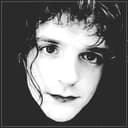
Jessica Pratt

Jessica Pratt

Asher White·2026·Joyful Noise Recordings

There’s something faintly perverse about covering an artist’s self-titled debut in full; you’re not just borrowing their songs, you’re borrowing the album that was meant to be them. Asher White seems to know this, and the strangeness is part of the appeal. Pratt’s 2012 record still sounds like nothing else—at once ancient and contemporary—and White, working from a louder, more experimental-pop palette, reimagines it without trying to outdo it. “Mountain’r Lower” becomes something akin to a proper rock song; “Casper” has blasts of noise. Elsewhere, prepared piano and synths drift in where there used to be only fingerpicked guitar. You don’t need to know the original, though, if you do, the recognition is half the pleasure.